Environmental stewardship through smarter infrastructure

Reducing infrastructure loss isn't just about cost savings. It's about environmental protection, resource conservation, and building systems that are sustainable at every scale.

The global water loss challenge

30-50%

of water is lost through leaks and system failures in many urban areas

Billions

of gallons lost annually across aging water systems globally

Billions

in annual costs related to water loss, emergency repairs, and system failures

Aging water infrastructure loses massive quantities of treated, pumped water before it ever reaches customers. This loss happens not because of design intent, but because of small failures at connection points—weak seals, undetected leaks, verification gaps.

These aren't new problems. They're structural problems embedded in systems built generations ago. But they're solvable problems. Better joint design, smarter monitoring, stronger verification—these create measurable reductions in loss.

When we reduce water loss at scale, we free billions of gallons annually for actual human use instead of letting it leak into soil and groundwater. That's environmental impact. That's environmental stewardship.

Measurable environmental benefits
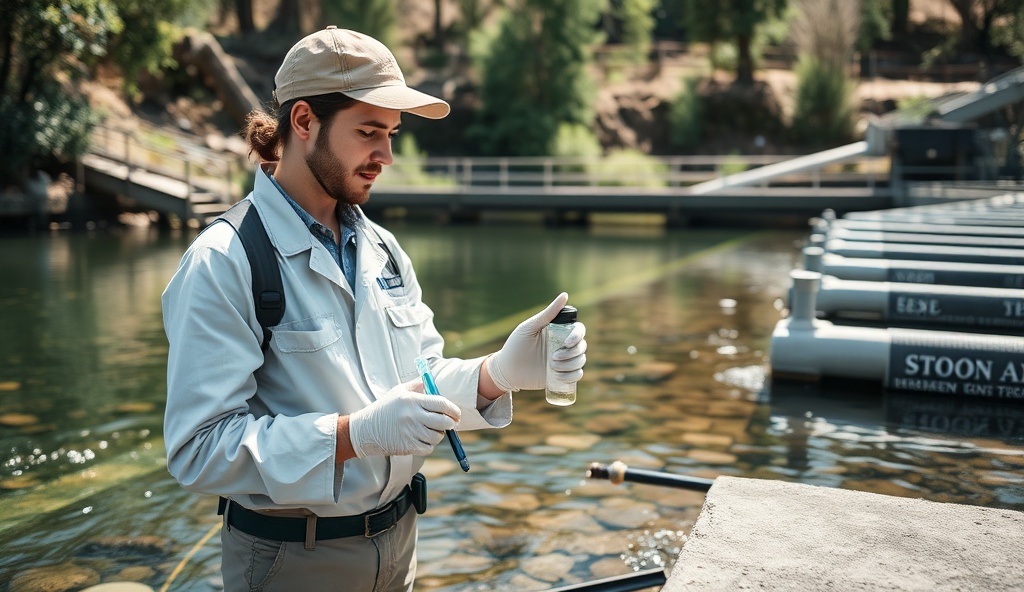
Environmental conservation worker monitoring water quality

Water Preservation

Reducing infrastructure loss means billions of gallons of treated water remain in the system instead of leaking into soil and groundwater.

  • • Less strain on water sources
  • • Reduced energy for treatment and pumping
  • • Better environmental flows for rivers and aquifers
  • • Improved water security for communities

Energy Efficiency

Water systems require significant energy to treat, pump, and distribute. Reducing loss means less water needs pumping and less treatment.

  • • Reduced operational energy consumption
  • • Lower emissions from emergency response
  • • Decreased strain on electricity grids
  • • Better carbon footprint per gallon

Ecosystem Protection

Water that leaks into soil can damage vegetation and disrupt ecosystems. Better infrastructure means healthier urban and natural environments.

  • • Protected vegetation and landscaping
  • • Preserved aquifer recharge
  • • Reduced groundwater pollution
  • • Better urban ecosystem health

Affordability for All

Environmental stewardship only works if it's affordable. Lower-loss infrastructure reduces operating costs and water bills.

  • • Lower utility operating costs
  • • More affordable water bills
  • • Reduced emergency response costs
  • • Sustainability everyone can afford

Impact at global scale

When lower-loss infrastructure standards scale globally, the cumulative environmental benefit is enormous. If just 10 major cities worldwide reduced water loss from aging systems by 20%, that would preserve billions of gallons of water annually—water for human use, for ecosystems, for resilience against climate change and drought.

This is where SolidMelt's partnership-driven approach matters. We don't sell a product. We help build systems, share knowledge, and establish better standards that scale across regions and continents.

Water Security

Lower-loss infrastructure improves water security for cities and regions facing scarcity, drought, or climate volatility.

Climate Resilience

Systems designed to waste less are more resilient to extreme weather, aging, and the stresses of climate change.

Ecosystem Health

Preserved water supports river health, wetlands, and biodiversity while meeting human needs.

SolidMelt's environmental commitment

We believe environmental impact comes from building systems that work—systems that are efficient, reliable, and designed to last. Not from abstract sustainability promises, but from practical improvements that deliver measurable benefits for water, energy, and ecosystems.

Lower-loss infrastructure is one of the highest-impact climate strategies available. It doesn't require waiting for perfect future technologies. It doesn't require wholesale replacement of existing systems. It works with what exists, making it better.

That's why SolidMelt partners with utilities and municipalities worldwide to implement solutions that reduce water loss, lower costs, and protect the environment—all at the same time. It's not a trade-off. It's how modern infrastructure resilience actually works.

Building environmental resilience starts here

Interested in reducing water loss, preventing infrastructure failures, and demonstrating environmental stewardship? Let's discuss how lower-loss systems can work for your organization.

Get in Touch